




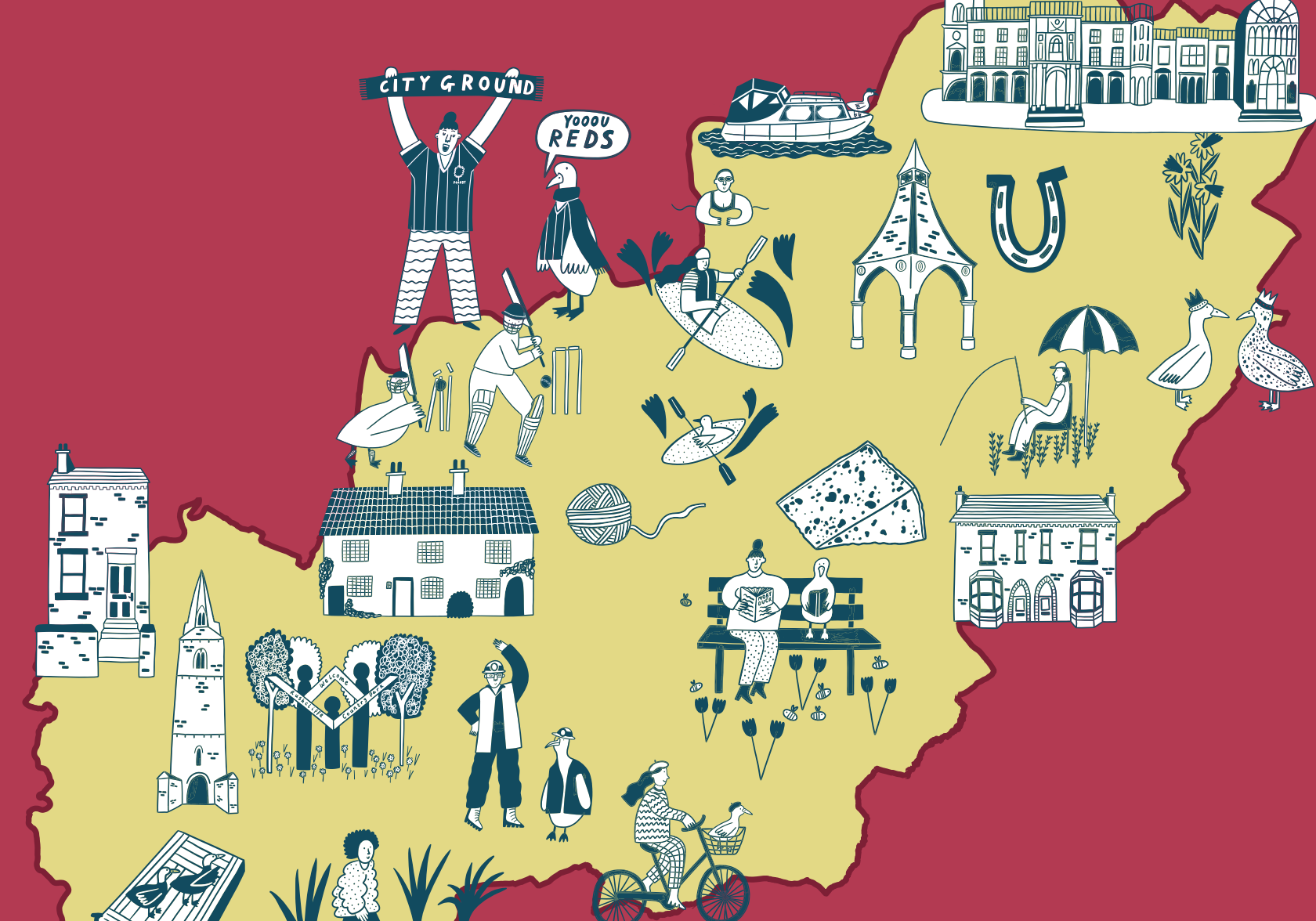
Interactive Design Code Consultations for Rushcliffe
Context
As one of the early local authorities to prepare a borough-wide design code under the Levelling Up, Housing and Regeneration Act (LURA), Rushcliffe Borough Council sought to create an ambitious Supplementary Planning Document (SPD) that would raise design quality standards across the district.
Working with Harper Perry and Urban Design Works, the team aimed to shape a code grounded in local character and community values — ensuring it was practical, accessible, and informed by a genuinely participatory process.
The Council needed a digital consultation platform that could handle complex visual materials, present detailed design guidance clearly, and gather constructive community feedback. The PlaceChangers engagement tool was used to deliver this interactive process from scoping to adoption.
Consultation Approach
The consultation process was structured around three major public stages and several stakeholder workshops. The PlaceChangers platform was used to host a project website and two interactive consultation stages:
- Stage 1: Scoping Consultation (Jan–Mar 2024)Stage 1 explicitly invited borough-wide, ward- and site-specific suggestions. 124 participants used PlaceChangers to influence design priorities, key character areas, and common development challenges across the borough. Over 150 location-based responses and 52 location-based ideas were submitted by residents and Parish Councils.
- Stage 2: Design Vision and Coding Plan (May–Jun 2024)Stage 2 focused on the Design Vision and Area Types. Participants explored draft area types and vision statements via PlaceChangers. AI summarisation tools were used to collate key themes, including sustainability, active travel, and design quality. This phase saw 112 respondents, 768 sessions, and 239 responses.
Alongside these digital stages, the Council ran a sequence of workshops and peer reviews (Design Midlands, January–November 2024), integrating both online and in-person insights. The design walkarounds and area-based workshops were paired with digital scoping consultation, offering both on-site and online mapping of issues.
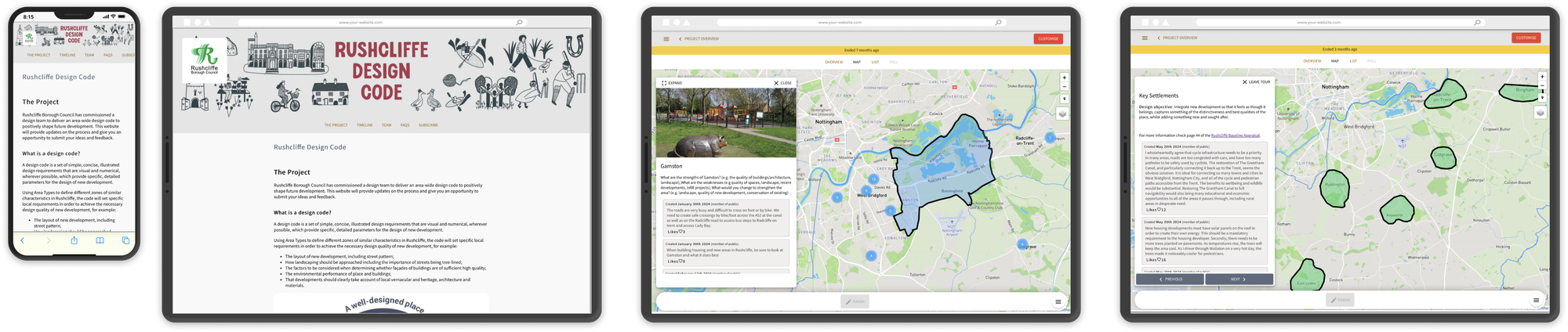
The PlaceChangers engagement portal for the design code was configured with multiple consultation pages and a visual “project timeline” that linked the phases of engagement.
Key Outcomes
By integrating PlaceChangers into its consultation process, the Council was able to host complex visual material interactively and apply structured, map-based feedback to refine its design guidance.
The ability to host maps, area types, and draft code sections digitally was integral to accessibility. The digital consultation enabled residents to respond at both borough-wide and area-levels, with feedback directly informing modifications between consultation drafts.
Project leads noted that the ability to manage responses in real time and export data into the Council’s consultation statement saved significant time. As the first design code consultation run on PlaceChangers, feedback-informed improvements to the setup for future projects.
The code was adopted in September 2025.
Ready to try Online Engagement?
Get started with a free trial or book a demo to see how it works.
From £500 per project
Client Feedback
What our clients said about this project
James Perry
Director, Harper Perry
"Rushcliffe Borough Council were looking for a dynamic way to keep the public informed about the coding process from start to finish and make it visual and accessible. PlaceChangers gave us the tools to present complex design information in a clear, engaging way that encouraged participation and understanding."
Related Case Studies
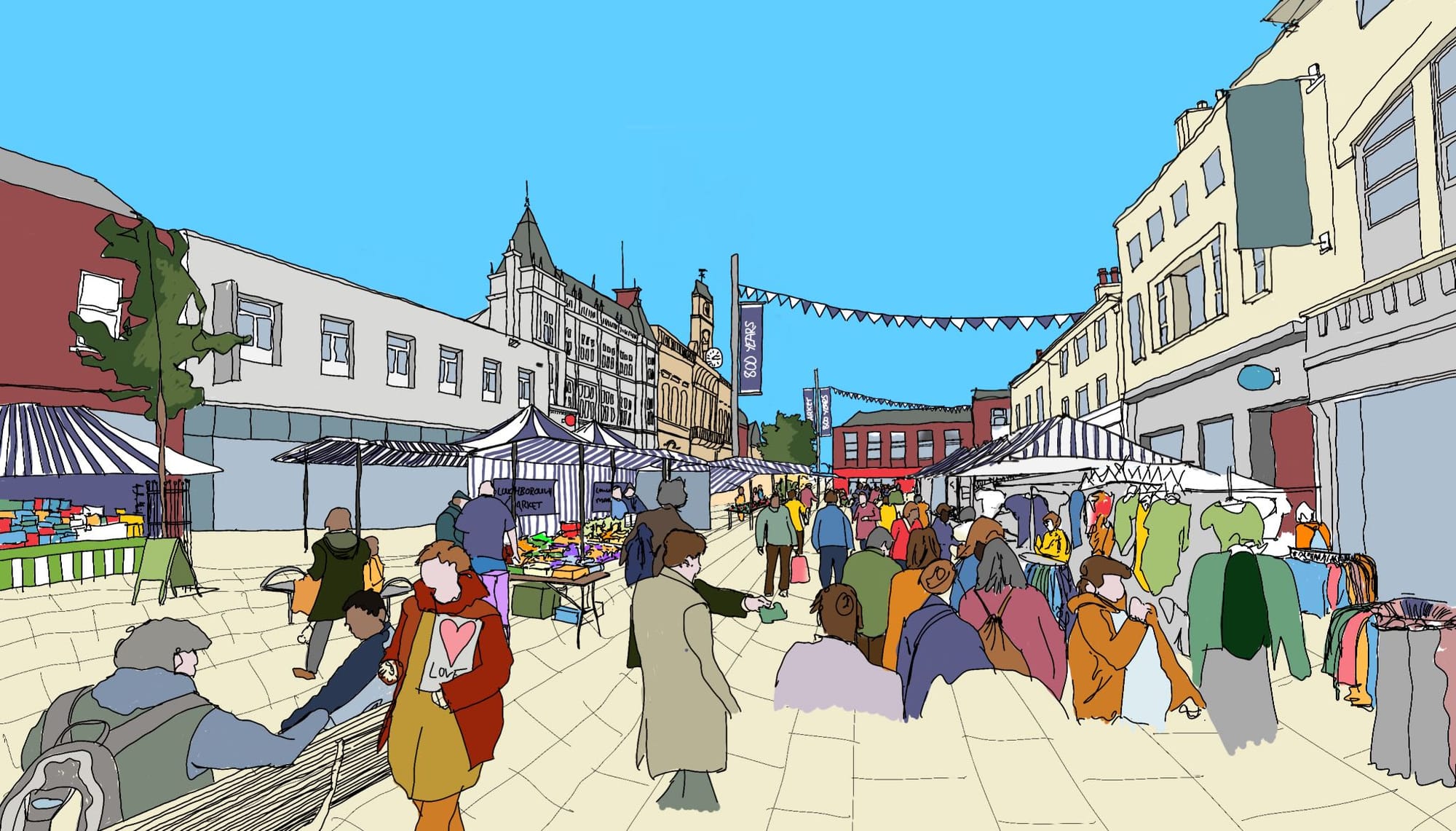
Interactive Masterplanning for Loughborough Town Centre
The consultation was deemed highly effective, successfully capturing comprehensive information and securing the evidence needed to forward-inform further masterplanning.
Shaping Blaby’s Growth: Early Engagement on Outline Masterplan
Context Blaby is facing a mounting housing need, with limited opportunities for younger residents and families to find affordable, well-located homes. In response, Bonnel Homes proposed a mixed development of up to 350 homes at Keepers Farm, alongside an expansive new country park integrated with nearby open spaces and walking routes to serve the wider community. The site lies on the edge of Blaby, adjoining Countesthorpe, and presents both opportunities and sensitivities: maintaining separat