





Comparing your options: Engagement platforms vs project websites
Topics
When it comes to planning consultations, we often hear the same question: “Why use a platform when I already have a website?”
On the surface, a project website—built in WordPress or a similar platform—might seem like enough. However, upon closer examination, key differences become apparent in speed, ability to visualise proposals to the public, engagement levels, and the quality of feedback that can be gathered.
In this article, we’ll compare DIY websites with purpose-built engagement platforms like PlaceChangers—so you can choose the right tool for your team, your timeline, and your project goals.
Every planning project needs an online presence, and for many teams, that starts with a website. Whether it’s a page on your company site or a standalone microsite, it becomes the digital home for your project.
What should an online consultation tool actually do?
Before we dive into tools and trade-offs, let’s step back. What do we want from an effective online consultation?
A good digital engagement tool should provide an excellent experience for members:
- Be Engaging: It should invite people in, rather than just informing them. That means visual, interactive, and relevant content that sparks honest feedback.
- Be User-Friendly for the Public: No logins, no complex forms, and no broken forms after closing dates, just intuitive, mobile-friendly ways for residents, stakeholders, and community groups to get involved.
For the delivery team, you'll look for the following attributes:
- Support Team Collaboration: Your internal team should be able to manage, update, and review responses without needing to go through a web admin or IT gatekeeper.
- Offer Structured, Actionable Input – Feedback shouldn’t sit in an email inbox. It should be organised, exportable, and ready for reports or dashboards.
- Minimise Admin Overhead – Less time on formatting and spreadsheets, more time focused on planning outcomes.
Now, let’s see how DIY websites stack up…
DIY project websites
Let’s start by focusing on websites first.
Traditionally, these sites showcase plans and updates, often geared toward marketing or post-approval stages. However, today, teams are shifting left by bringing communities into the conversation earlier, during the design phase. Why? Because early input leads to smoother approvals, stronger buy-in, and better outcomes.
And that shift is where traditional, static project websites begin to reveal their limitations in terms of interactivity, design-focused engagement, and more.
Most often, project websites are fragile constructs of plugins, project pages, and separate survey forms (such as SurveyMonkey or similar) stitched together to create the engagement experience.
Strengths
- More fine grained control over design and branding
- Own domain = clear identity and standalone presence
- Can be engaging, but a lot depents on the CGIs and visual materials produced, which will be expensive
Weaknesses
- Often requires a web expert as a third party
- Extra overhead—another site to maintain
- Static content—little or no interactivity
- Updates go through gatekeepers and IT team (not the design team)
- No built-in tools for reporting or collaboration
- Little in-built automation or re-engagement
What You’d Need to Set Up Manually with a Custom Website
With a custom website, you’re taking on far more than just design—you’re rebuilding every part of the consultation process manually.
First, there’s the setup: writing all copy, designing content flow, embedding forms, and configuring GDPR compliance—often with third-party tools and plugins. Then comes the back-end work: exporting raw responses, manually sorting feedback, and crafting your own reports. Finally, there’s the overhead: managing permissions, coordinating updates through web administrators, and troubleshooting technical issues across devices and browsers. It's a lot, and none of it's designed for planners.
Online engagement platform like PlaceChangers
At first glance, an engagement platform might look like a project website—but under the hood, it’s an entirely different beast.
Platforms like PlaceChangers are purpose-built for planning consultations with shared editing interfaces, editor accounts, and more. That means faster setup, interactive tools, shared access for teams, and structured feedback you can use. Here's what one of our users had to say:
“Engagement platforms, like PlaceChangers, are engineered with user engagement in mind, and they give you tools, like interactive maps, that are time-consuming and expensive to produce on your own.”
Strengths
- Built for planning: Tried, tested, and trusted for real-world consultation workflows
- Interactive by default: Maps, surveys, and proposals invite meaningful input, not just forms
- Live reporting: Auto-generated summaries and data you can act on
- Team-ready: Share access across your design team—no bottlenecks, no gatekeepers
- Always-on updates: Automatic participant notifications keep everyone in the loop
Weaknesses
- Requires a short onboarding period to unlock full value
- Visual customisation is more controlled, but that’s what keeps it nimble.
Instead of building a website and bolting on forms, platforms integrate everything you need —from interactive maps to automated reporting — out of the box. Engagement tools like PlaceChangers replace plugins, form builders, and web admin delays with a single, clean toolkit—built for planners, architects, and consulting leads.
What about time and money?
The good news? Engagement platforms like PlaceChangers compare very favourably to the time and cost of building and maintaining custom project websites, especially when factoring in interactivity, reporting, and collaboration.
Traditional website | Online platforms (like PlaceChangers) |
|---|---|
£5,000–£15,000 for a basic branded microsite | £500 for small projects; £1,250 for mid-sized, multi-tool engagements; £4,500 for large or multi-phase projects |
2–8 weeks to design, develop, and launch | Setup in hours or a couple of days, not weeks |
Ongoing costs for updates, plugins, forms, and manual reporting | All updates taken care of |
Especially for larger projects, engagement platforms can often be deployed at less than half the cost of a custom site, with faster delivery, built-in tools, and no need to juggle developers, form builders, or spreadsheets. You’ll achieve smoother teamwork, receive better feedback, and enjoy streamlined reporting, all of which will save you time throughout every phase of the project.
How do engagement platforms work with websites?
Good news—you don’t have to always choose one or the other. Engagement platforms and websites work brilliantly together.
Use your main website to promote the project and host news updates. Then link out to your engagement platform for everything interactive—from feedback collection to project mapping. This allows your team to move quickly while maintaining a consistent and polished web presence.
Linking off to a dedicated consultation platform
For projects with smaller marketing budgets, you can easily use your company website to create a news update or provide a project page there.
The actual consultation is then hosted on a consultation platform such as PlaceChangers, where the whole of the design team can access the consultation without you needing to share access to a website.
Using the consultation platform as the project website
In some instances, particularly for larger projects and marketing budgets, you could choose to use an engagement platform instead of a project website. Here your design team would use an external platform to put together a project landing page and associated consultations. The upside of this approach is the flexibility it provides.
You get to set up quickly and the consultation platform provides everything needed as it’s built for the job. The potential downside is the reduced capacity for visual customisations.
Takeaways
Engagement platforms aren’t a replacement for your marketing team or web presence—they’re a powerful addition.
They simplify setup, streamline reporting, and turn scattered feedback into structured, shareable insights. They’re designed for planners, architects, and consulting leads who seek constructive engagement, not just a digital brochure.
Use your website for visibility. Use a platform to work faster, collaborate more effectively, and gather feedback that genuinely matters.
The result? Smoother consultations. Happier participants. Better outcomes.
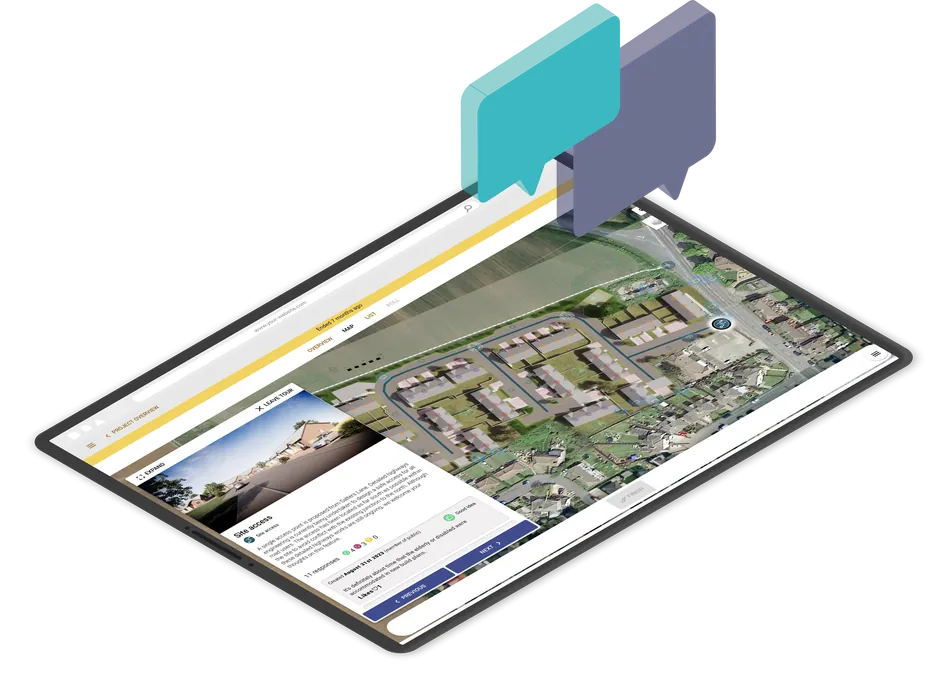
Run interactive community consultations online
Book a demo or start your free trial today.
Start Free TrialGet new articles in your inbox
Subscribe to get more insights like this delivered to your inbox.
Related Articles

From House Types to Housing Evidence: Making Standard Designs Reusable Across Consultations
Enabling housing evidence and better quality designs from resident-feedback on house types.
Managing community consultation across multiple planning projects
The answer is not to make every consultation identical. It is to create a repeatable delivery model that still leaves room for local context.
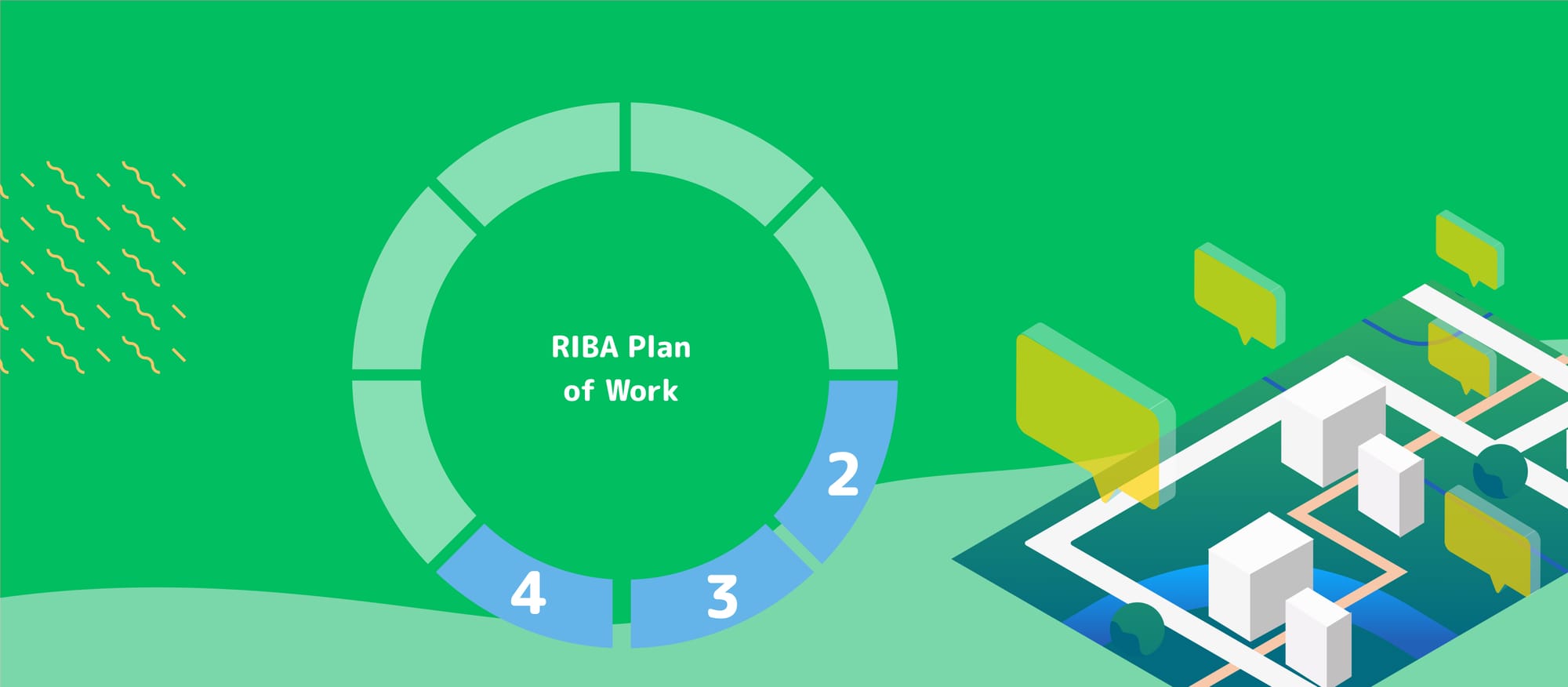
RIBA Stages 2 to 4: digital community engagement tools that actually help design teams
What digital engagement tools are actually useful once the design starts to take shape?