





Leveraging the Levelling Up and Regeneration Act: The Future of Digital Planning
Topics
The Rising Need for Cybersecurity in Urban Planning
In the evolving landscape of urban development, where technology increasingly interfaces with city planning, the need for robust cybersecurity measures has never been more critical. As urban planners integrate more digital tools into their processes, securing these systems becomes paramount to safeguard sensitive data and maintain public trust.
One key strategy that has emerged is the implementation of Multi-Factor Authentication (MFA), an essential component not just for enhancing security but also for meeting the stringent requirements of regulatory compliance and cyber essentials certification.
What is Multi-Factor Authentication (MFA)?
Multi-Factor Authentication (MFA) involves verifying a user's identity by requiring multiple pieces of evidence before granting access to a system. This typically includes something the user knows (a password), something the user has (a smartphone app or hardware token), and something the user has (biometric data). In the context of urban planning, MFA can prevent unauthorised access to critical infrastructure data, thus protecting against potential cyber threats that could disrupt city operations.
Best Practices for Implementing MFA in Urban Planning
When implementing MFA within urban planning systems, it's important to follow best practices to ensure both efficacy and user convenience:
- QR Code Authentication: QR codes are a common method for the second factor in MFA setups. It is critical that these codes expire to maintain security, as non-expiring QR codes can be vulnerable if intercepted by adversaries (Cisco Duo).
- Software vs. Hardware Tokens: While hardware tokens provide a high level of security, software-based TOTP apps are more cost-effective and easier to distribute among users. These apps generate a Time-based One-Time Password that users enter during the login process.
Multi-factor authentication is a key part of enhancing system access security. It will remain vigilant to emerging cyber threats, and even multi-factor authentication alone may require additional protective measures, like ensuring that end user devices are fully password secured and encrypted.
Case Study: PlaceChangers' Implementation of MFA
At PlaceChangers, we recognised the importance of robust security measures and implemented MFA across our organisation.
Here’s how we approached the integration:
Organisation admins: System administrators for a user organisation can activate One Time Passwords (OTPs) for all users within their organisation through a secure, password-protected toggle. Upon activation, all users and admins received an email outlining the steps for setting up MFA and will have five days to complete their setup.
User Setup Process: Users within an organisation will be prompted to set up MFA. This involved downloading a compatible authenticator app (e.g. Microsoft Authenticator or Google Authenticator), scanning a provided QR code, and entering the generated OTP to complete the setup. A new OTP will be required for each subsequent log-in.
This process was designed to be straightforward to encourage compliance and minimise disruption and does not apply to consultation participants, who can always participate anonymously and without log-in.
The Future of Secure Urban Planning
As digital tools become more embedded in urban planning, the security of these tools must evolve. Innovations in MFA, such as biometric verification and advanced encryption methods, continue to enhance security frameworks.
Urban planners must stay abreast of these advancements and continuously update their security practices to counter emerging cyber threats.
The integration of Multi-Factor Authentication within urban planning is not just about adhering to best practices—it's about proactively protecting the infrastructures that cities depend on. As we continue to navigate the complexities of urban development in a digital age, MFA stands out as one aspect of a range of critical tools in the cybersecurity arsenal, ensuring that access to critical data is further secured.
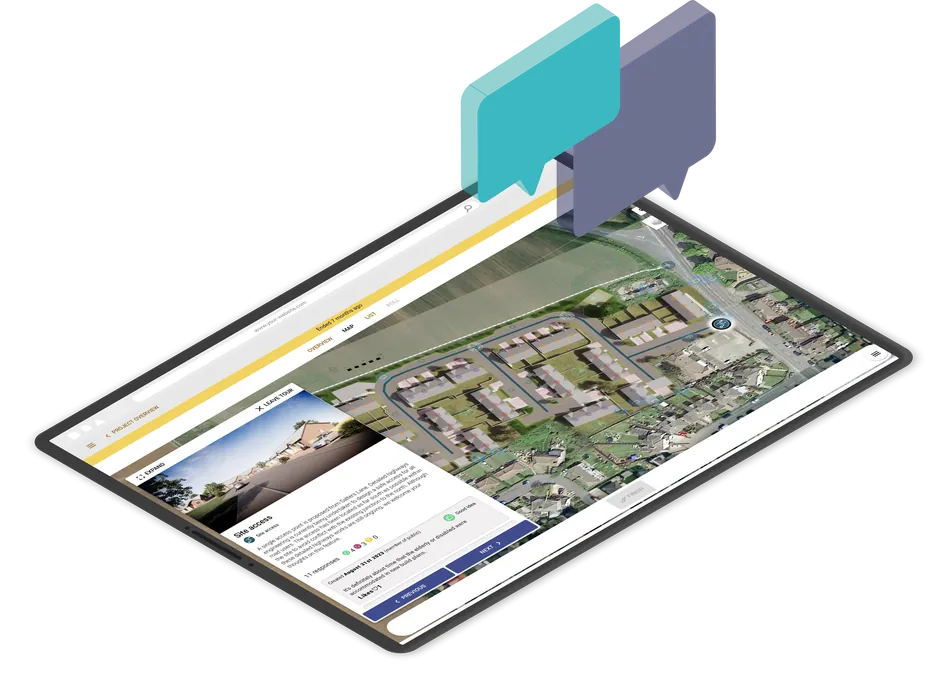
Run interactive community consultations online
Book a demo or start your free trial today.
Start Free TrialGet new articles in your inbox
Subscribe to get more insights like this delivered to your inbox.
Related Articles

Site Visits in Town Planning and Design: What Project Teams Look For and Why It Matters
Learn why site visits matter in planning and design, what project teams look for on site, and how site-based evidence supports planning applications, design decisions and stakeholder engagement.

From Plan to Proof: How to Simplify Consultation Outreach and Response Tracking
Learn how planning teams can plan consultation outreach, invite the right households, and keep a clear record of responses, materials and follow-up actions with PlaceChangers.

How to Turn Public Consultation Feedback Into Clearer Reports for Stakeholders
Stop manual spreadsheet data entry. Learn how AI-driven urban planning software turns messy public consultation feedback into professional, stakeholder-ready reports for the built environment in minutes.