





Statement of Community Involvement: Six tips for robust community engagement reports
Topics
Community engagement is a vital part of planning applications—especially for larger developments. A well-prepared Statement of Community Involvement (SCI) ensures local voices are heard and helps align proposals with community priorities. It’s also a powerful way to demonstrate transparency and build trust early on. Using tools like PlaceChangers, preparing a meaningful and compliant SCI becomes not only easier but also more insightful—enabling live, data-rich reports that evolve with your engagement process.
What are examples of best practices for preparing a Statement of Community Involvement for planning applications?
We have examined several Statements of Community Involvement for residential planning applications and compiled the good practices observed in these community engagement reports.
Read on to discover more.
What is a Statement of Community Involvement for a planning application?
An SCI is a formal report submitted with many planning applications that outlines how a developer has engaged with the community. For instance, validation guidance by Braintree Council states
"a statement of community involvement explains how the community will be involved in the preparation of the planning application, and the steps that will be taken to encourage this involvement".
For major applications in England, submitting an SCI is a legal requirement under the Planning and Compulsory Purchase Act (2004). More than just a formality, it provides a transparent account of community dialogue, documenting both activities and the feedback received.
Why are formal community engagement reports important?
A strong SCI shows that your project genuinely engages residents—addressing concerns, highlighting opportunities, and demonstrating that community feedback has shaped the development. This not only supports planning approval but also builds local goodwill.
SCIs often serve multiple audiences: residents, planning officers, and project stakeholders. Consultation tools like PlaceChangers provide live reports, which help tailor reporting for each of these, using visualisation and structured feedback summaries that communicate clearly and professionally.
- Documentation of activities back to residents
- Documentation of activities and conversations with residents to the planning officer who evaluates the application.
- Opportunities for reflection on impacts a development may have
- Articulation of current issues and problems in the neighbourhood and documentation of implications for the project
- An opportunity to promote the project's credentials and the complementarity of investments to the local area
Six tips for a robust Statements of Community Involvement
Our review of eight master-planned residential schemes showed wide diversity in levels of effort to engage in both types of Statement of Community Involvement. Despite the varying ways of presentation and volume of content, the following tips tend to characterise better quality SCIs:
1 — Visual design and layout
Consider the format and style of the document based on the purpose of the report you aim to achieve. A document centred around the narrative of engagement activities can be very interesting to the public and serve as a way to promote the project.
For larger projects, effective communication with broad audiences is essential. Using visual elements such as images, charts, and infographics can make your report more engaging and emphasise key points.
Do you need to follow branding or colour schemes? Will you include graphs and tables to present statistics and findings visually?
Below are two examples of SCIs that serve different purposes.
Statements of Community Involvement as comprehensive story
Example from 500+ homes Chapelgarth project (Urbed on behalf of Siglion)
- Clear narrative supported by clear visual style
- Heading styles and images and layout optimised for circulation and public consumption
- Documentation of activities follows the key design stages

Statements of Community Involvement by the facts
Example from 500+ homes Wawne Road project (ID planning on behalf of Strata Homes)
- Paragraphed bullet points
- Brief sentences and little visual context
- Communicates a factual account better suited to internal circulation and submission.

2 — Readability and visual aids
Use clear, jargon-free language that makes your report accessible to everyone. Pair text with visuals—timelines, charts, images—to create an engaging and inclusive read.
By using too much technical jargon, you risk excluding people you are trying to engage with.
The use of illustrations and images throughout helps make the document come to life.
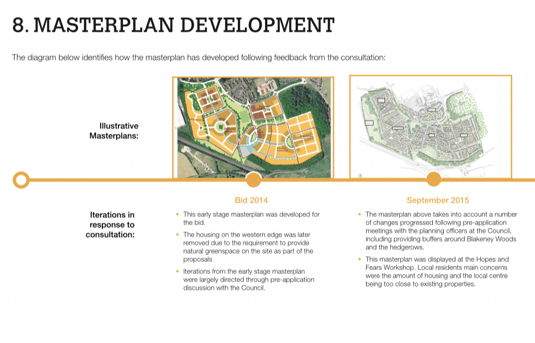
Helpful visuals
Example from 500+ homes Chapelgarth project (Urbed on behalf of Siglion). This example provides a visual timeline of how feedback from engagement activities was used to rework the emerging master plan layout.

3 — Understanding of audience characteristics
Knowing who took part in your engagement—and making that visible in your SCI—is key to demonstrating reach and credibility. Capture demographics, stakeholder representation, and postcode spread.
With modern engagement tools, such as PlaceChangers, this insight is built in. Auto-mapping of participant postcodes, standardised demographic questions, and real-time analytics help ensure every SCI reflects the full diversity of voices engaged.
These features not only improve accuracy but also save valuable time during report creation.
Good questions to ask
Example from Carlton Village Phase 1, ±50 homes (Hellens Group)
- Which of the following best describes you?
- What gender are you?
- What age range are you?
- How did you hear about the event?
- Are you completing this questionnaire on behalf of an organisation or group?”
4 — Inclusion of choices
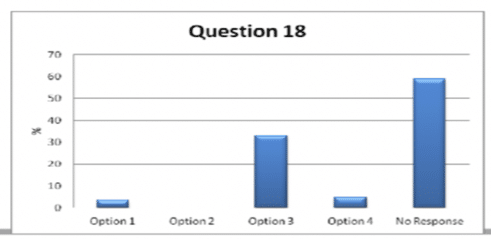
Productive reports reflect on the scope of change possible before community engagement and consider feedback on those choices. Community engagement becomes effective when some changes are offered in response to feedback received, and reports that discuss these changes become powerful conversational tools. For example, the Statement of Community Involvement below presented a selection of layouts for the eventual site, which proved decisive for the further evolution of the design.
Reporting on choices
Example from Carlton Village Phase 1, ±50 homes (Hellens Group)
While most respondents were against new development, a clear preference for the eventual site layout could be established. This kind of feedback supports effective community engagement.
5 — Focus on outcomes vs description
From the beginning, your report should clearly focus on the outcomes of the engagement activities. Explain how feedback influenced the project, balancing descriptions of the process with the real impact community input had on design decisions.
Ideally, the document will strike a balance between descriptions of the project and the issues that arose from public engagement.
It should clearly communicate what details have been captured and how this information was used to gain a deeper understanding of your audience.
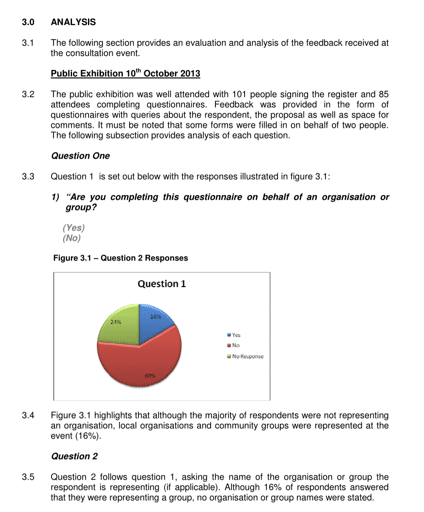
Well balanced reports
An example from the Carlton Village Phase 1 development (±50 homes, Hellens Group) demonstrates a balanced approach, with 5 results pages to every 3 pages of general content. This emphasis on feedback ensures the report thoroughly addresses the community’s responses.
The report successfully balances project context with a detailed reflection on the key issues raised during engagement, making it an effective model for transparent community consultation.
vs
Less balanced reports
An example from the 2000+ homes Dissington Garden Village project (Local Dialogue on behalf of Lugano Group) shows a notable imbalance, with just one results page for every 11 pages of general content.
Despite extensive engagement activities, the report only mentions two responses on one page. This raises questions about the overall effectiveness of the consultation process and whether community feedback was adequately represented.
Note: The planning proposal got rejected.

6 — Clear on the matters that arose
Identify and break down key themes from the engagement activities and the possible actions they identify what has happened in response to feedback.
You will demonstrate a robust design process and instil trust and respect in the place where you build by responding to concerns raised.
Clear summary of themes
Example from 50-home Grange Road scheme (Lichfields on behalf of Bellway). Table or subheadings with individual concerns raised help understand the concerns raised and demonstrate which ones could be addressed and which ones could not.

Creating effective Statement of Community Involvement
No two SCIs look the same—but the best ones tell a clear story of community involvement and how it shaped the proposal. Whether your project is large or small, clarity, credibility, and responsiveness matter.
A well-crafted Statement of Community Involvement not only provides insight into the feedback received but also demonstrates that the development process has been responsive to community needs and concerns. This strengthens your case for approval.
Ask yourself what purpose you want your Statement of Community Involvement to serve and what stakeholder engagement was for?
- For larger-scale major planning applications which affect diverse stakeholder groups, consider the SCI as a piece that speaks back to the concerns of those groups. Document how engagement activities shaped the site layout to create high-impact narrative to support your application.
- On smaller-scale major planning applications, a concise summary with sharp detail communicates professionalism and appreciation of residents nearby. Your project will benefit from a robust approach that flags up critical issues by the community and provides relevant responses.
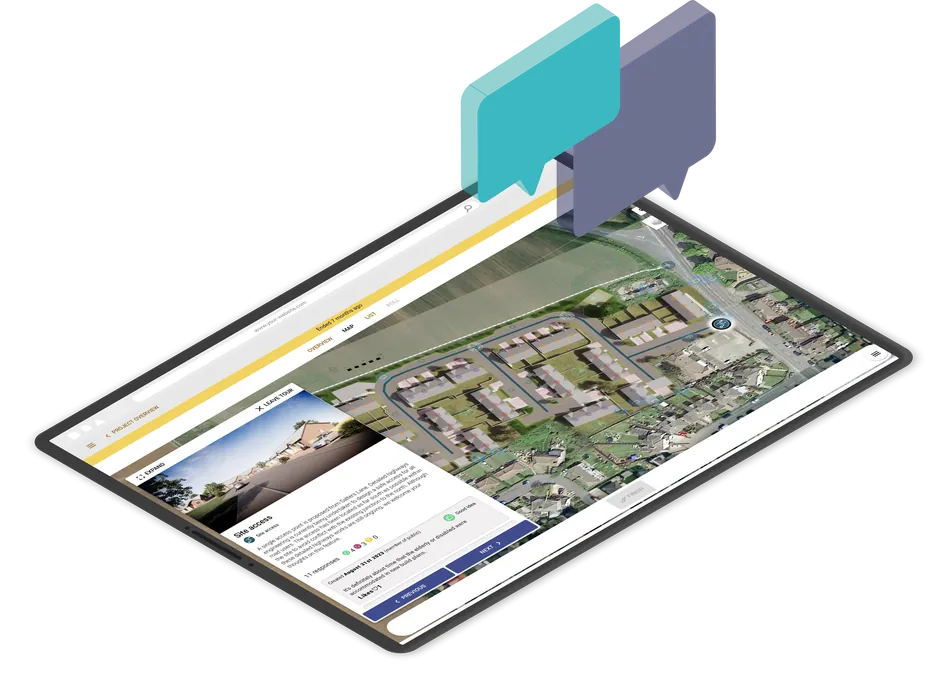
To streamline your SCI process, consider using tools like the PlaceChangers. Beyond just collecting feedback, it generates real-time visual reports and live data summaries that adapt as engagement evolves. These can be directly attached to your SCI submission—enhancing transparency, credibility, and responsiveness to community input.
Run interactive community consultations online
Book a demo or start your free trial today.
Start Free TrialGet new articles in your inbox
Subscribe to get more insights like this delivered to your inbox.
Related Articles

Site Visits in Town Planning and Design: What Project Teams Look For and Why It Matters
Learn why site visits matter in planning and design, what project teams look for on site, and how site-based evidence supports planning applications, design decisions and stakeholder engagement.

From Plan to Proof: How to Simplify Consultation Outreach and Response Tracking
Learn how planning teams can plan consultation outreach, invite the right households, and keep a clear record of responses, materials and follow-up actions with PlaceChangers.
How to Turn Public Consultation Feedback Into Clearer Reports for Stakeholders
Stop manual spreadsheet data entry. Learn how AI-driven urban planning software turns messy public consultation feedback into professional, stakeholder-ready reports for the built environment in minutes.