



How to boost online engagement with in-person consultation events
Topics
Typically, in construction and planning, public exhibitions in village halls used to be the default form of engagement. In recent years, this method of engagement has been accompanied by approaches that account for our connected lifestyles, using web platforms such as the PlaceChangers engagement platform. Especially during the Covid pandemic, when public events were impossible to arrange, online consultation methods took centre stage.
Each method of consultation, online and face-to-face, has distinct advantages. Most successful projects that generate buy in from stakeholders and profound insights that influence the planning process will come from a mixed approach. Face-to-face events in public engagement continues to offer a number of advantages over online engagement when it comes to trust building, demonstrating human face, and deeper discussions on objectives other 'softer' aspects that shape design development.
So here we provide a few tips on how you can combine the benefits of online engagagement with face-to-face interactions.
Online versus in-person community engagement activities
Face-to-face personal interactions between people or in a group have great social benefit. Face-to-face interactions support different kinds of rapport building over online consultations:
In a study by Waterloo University in Canada, researchers asked 45 people to invite 10 participants each to complete a survey. Half of the group made their requests face-to-face, while the other half sent emails. The results were clear: Face-to-face requests were 34 times more likely to be answered. Why? Because face-to-face meetings promote trust and relevance far quicker than any cold email or paper flyer could. This implies that in-person meeting can
diffuse conflict more easily, establish trust and better communicate emotions.
Robust community engagement typically requires different points of interaction, both online and face-to-face. Success means combining online media with the ability for individuals to come to meeting spaces and socialise, either with the project team or with other participants. Anecdotal evidence also suggests that younger people have a greater preference for digital interaction, whereas older people might prefer a meeting or a handwritten response.
Online and in-person community engagement tips
Rather than seeing it as a choice between two approaches, it is better to appreciate their relative strengths. In most community engagement projects, your possibilities of engaging a large number of people through detailed face-to-face interactions are naturally limited, due to time constraints and obvious logistical issues. With face-to-face engagement, it can also be a struggle to follow-up and correspond to a large audience simultaneously.
That’s why a dual approach most powerful when it comes to meaningful community engagement:
Lead in with a digital presence of your project
- Create a website: Build a simple project page that can be found easily for anybody who wants to engage with your project. Provide details on the project and how you want to receive responses. This will cut substantial time and effort in following up later while making it possible to rapidly adjust your campaign at any time – a clear advantage over print material that has been distributed.
- Use a platform for consultations: Use online consultations for key decisions. Digital responses in digital form (so somewhat structured) can also be sorted, filtered, and analysed much faster, and can even allow different participants to add to their ideas to establish priorities and relevance. With a tool such as PlaceChangers, you can also provide people with an interactive project timeline, to clearly mark out both details for in-person and online consultations. You can also collate sign-ups in a single place and use those for a digital newsletter in follow-up.
Balance this with a strong grounding in the real world. Consider how to establish a presence where your development may have an impact. Help participants to respond easily without having to go online.
Naturally in-person events are more resource heavy than running an online consultation. You will need to think about resourcing for venues, staff, but importantly also objectives and productive activities for your in-person events.
Face-to-face and in-person engagement on a small budget
- Use post cards: Design a set of postcards and distribute them in relevant public spaces or to local house holds. Make sure to include a link to your project page and provide an address where comments can be returned by post.
- Targeted one-on-one interviews: Arrange a few in-depth conversations with a handful of key stakeholders. In the context of consumer research, Nielsen Group has shown that just five interviews would flag up most of the key concerns towards a project.
- Online face-to-face events: Events and activities on video-sharing platforms such as Zoom can be very productive. Check out our article on this format: Adding online public meetings to your next consultation programme
Face-to-face and in-person engagement on a larger budget
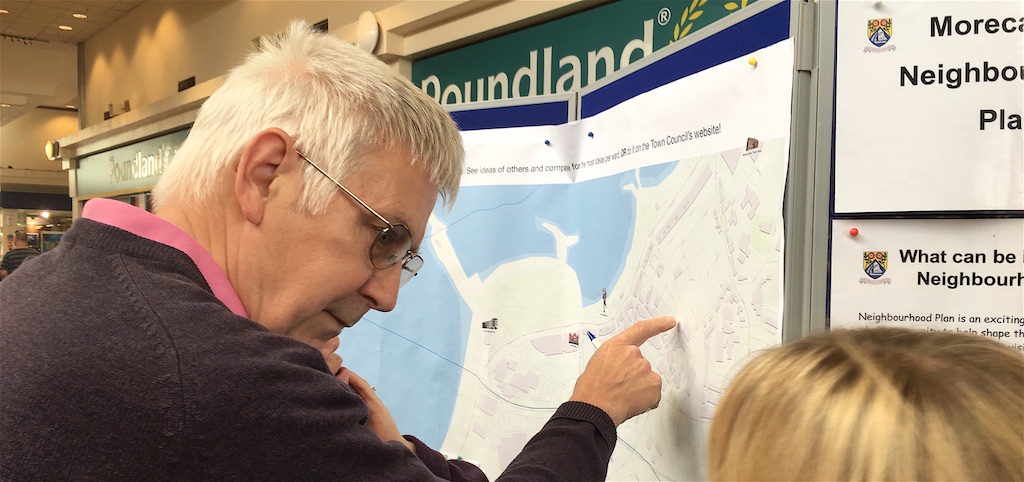
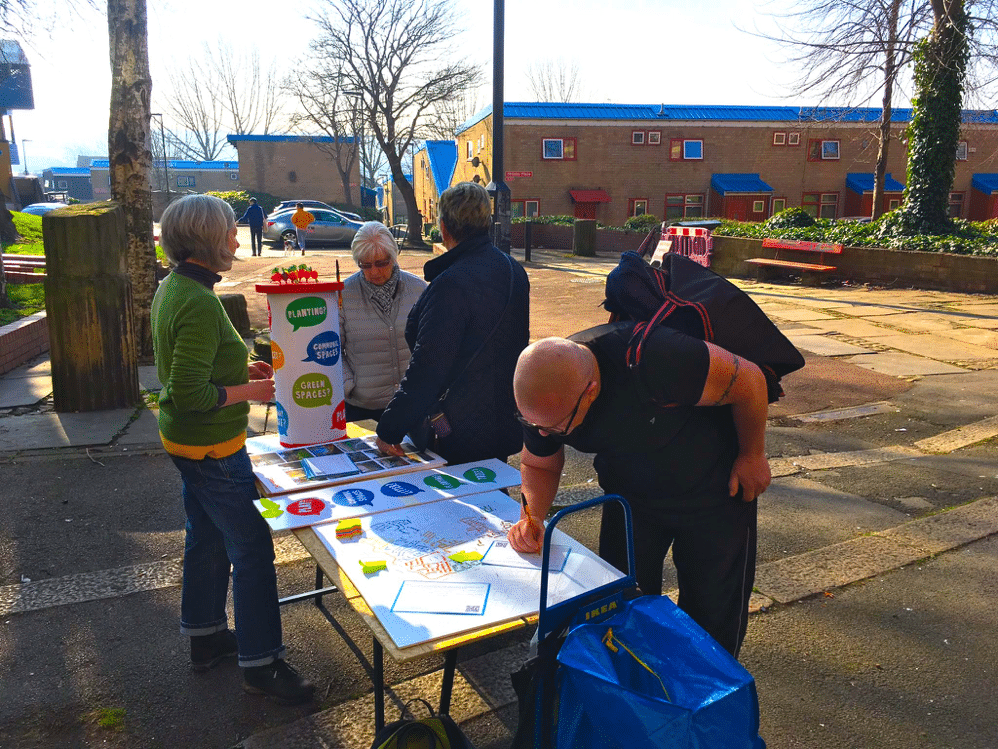
- Integrated public campaign: Arrange public booths and meetings, combined with flyers and print material that ties back to your campaign through the same visual clues, copy, and links to your online landing page. Pop-ups can be an informal and non-threatening format to engage directly within a place.
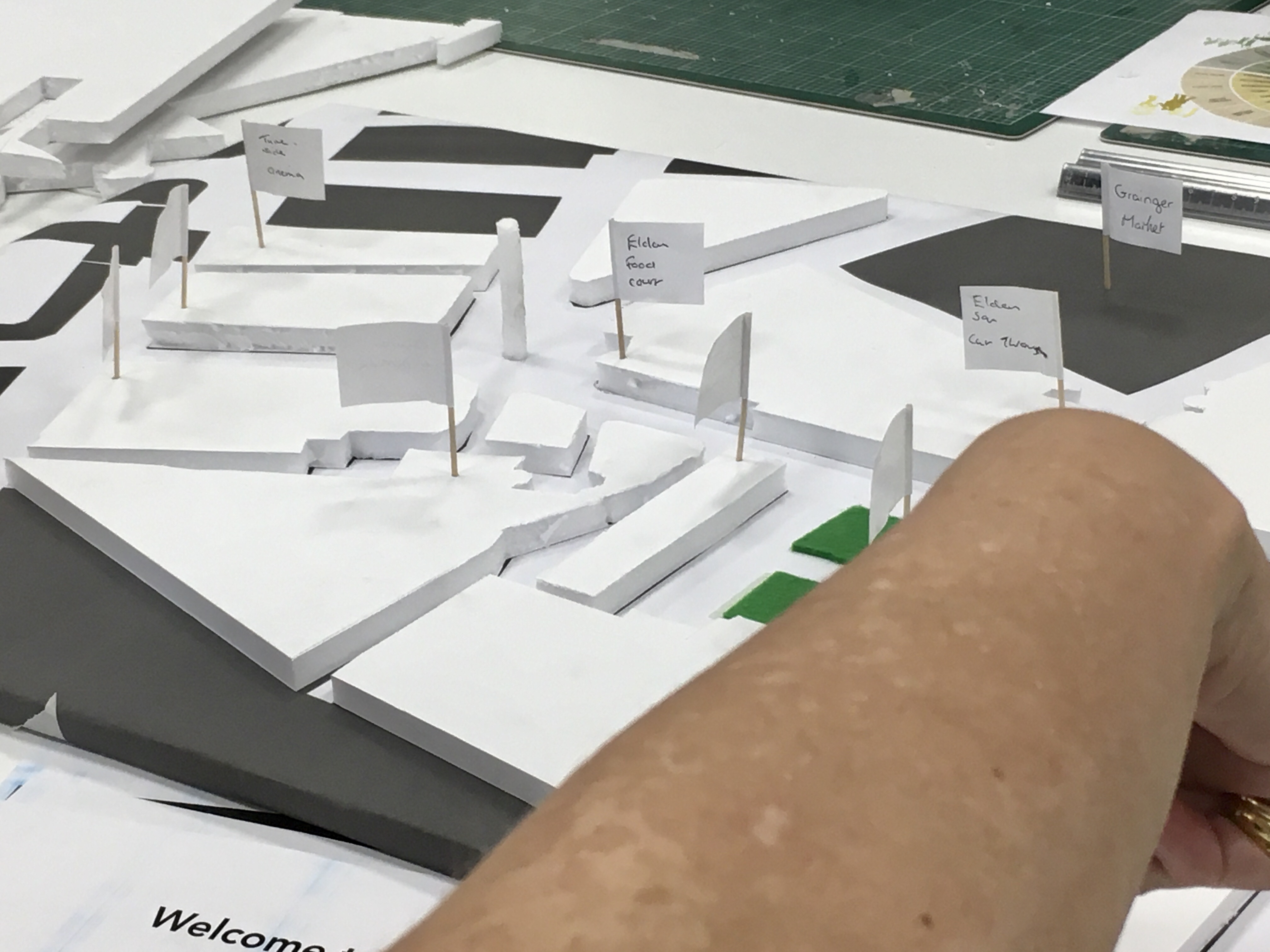
- Hands-on co-design workshops: Organise hands-on workshops that get people engaged. Activities can include mapping or model-making – tasks that involve visual and physical clues that mirror the real world and help the group pull their knowledge together (see: Planning for real). Some activities, such as mapping can be supported by suitable online tools to enable others to participate online.
- Interactive games: Buy in a specialist consultancy to offer engagement events for young people, such as with Minecraft.
Take aways
In conclusion, the combination of in-person and online engagement activities tends to be most impactful and meaningful, and is recommended especially for larger projects or projects with distinct community focus.
The more aligned your communication across different channels, the greater the chance for individuals to recognise you both online and offline. This generates more trust amongst participants and increases the chance of a good demographic spread – ultimately leading to more robust engagement data.
When working across different engagement platforms, pay special attention to aligning your tone of voice and visual communication across all channels. This includes choosing and sticking with the same visual colour schema, typography, logos, etc. You should also make sure that the key points of your project do not change, such as the justification for the project, its title and the outcomes that you aim to achieve.
The PlaceChangers Engagement tool makes it easy to generate all required online materials to support your project. Depending on the programme of work, PlaceChangers can advance and introduce you to relevant specialists for in-depth community engagement.
Explore the PlaceChangers planning toolkit
PC Engagement - market leading planning engagement
Set up powerful map surveys and polls based on the changes that may come up on your estate and prioritise future planning interventions more easily.
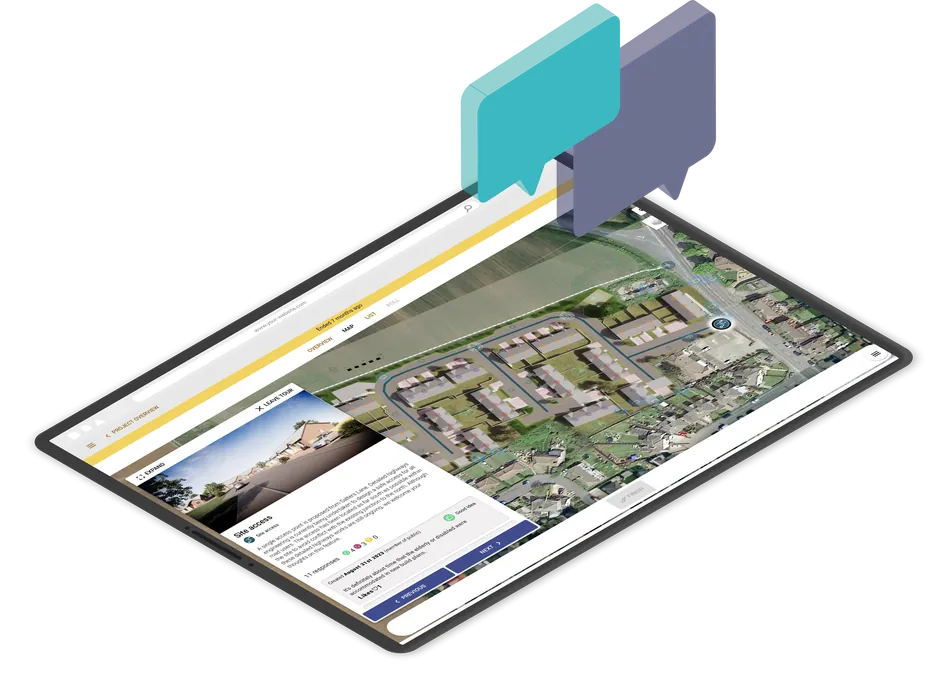
Run interactive community consultations online
Book a demo or start your free trial today.
Start Free TrialGet new articles in your inbox
Subscribe to get more insights like this delivered to your inbox.
Related Articles
From House Types to Housing Evidence: Making Standard Designs Reusable Across Consultations
Enabling housing evidence and better quality designs from resident-feedback on house types.
Managing community consultation across multiple planning projects
The answer is not to make every consultation identical. It is to create a repeatable delivery model that still leaves room for local context.
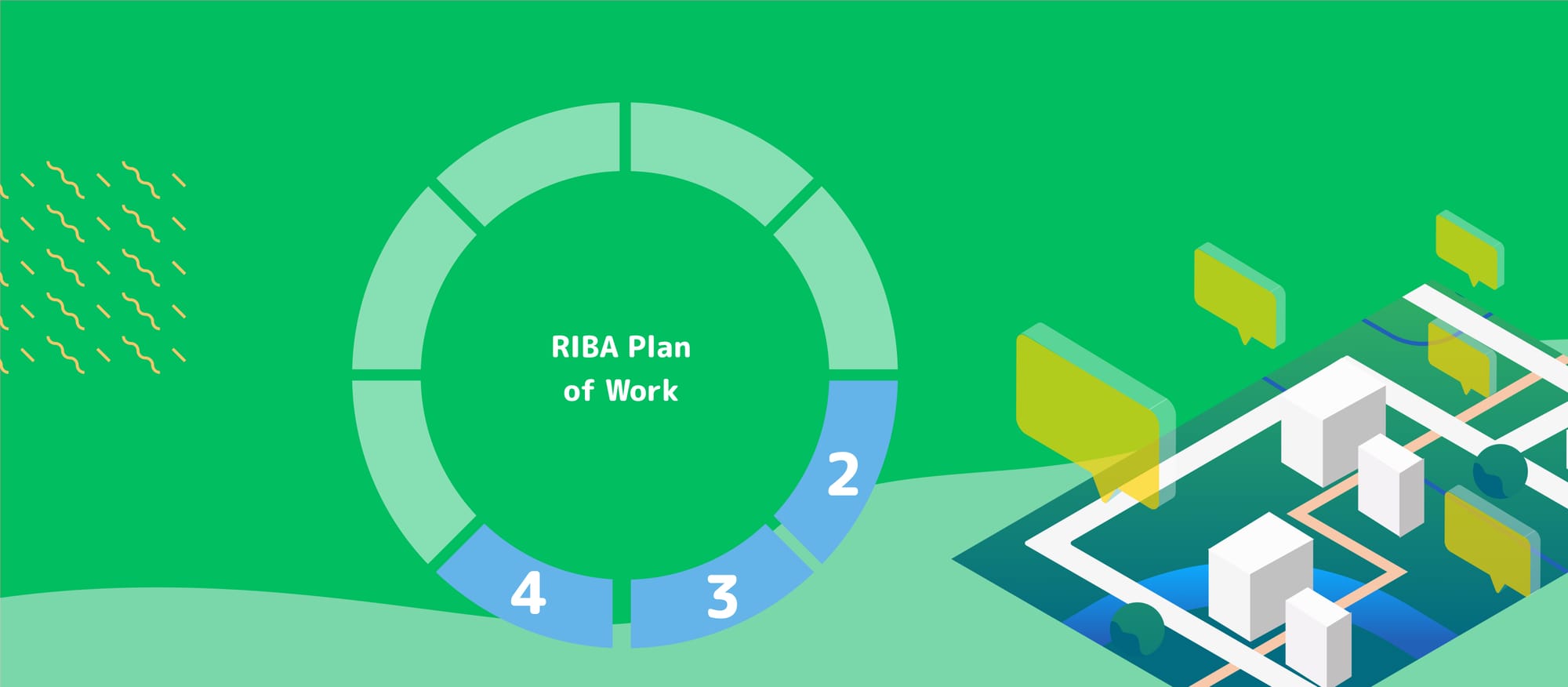
RIBA Stages 2 to 4: digital community engagement tools that actually help design teams
What digital engagement tools are actually useful once the design starts to take shape?